
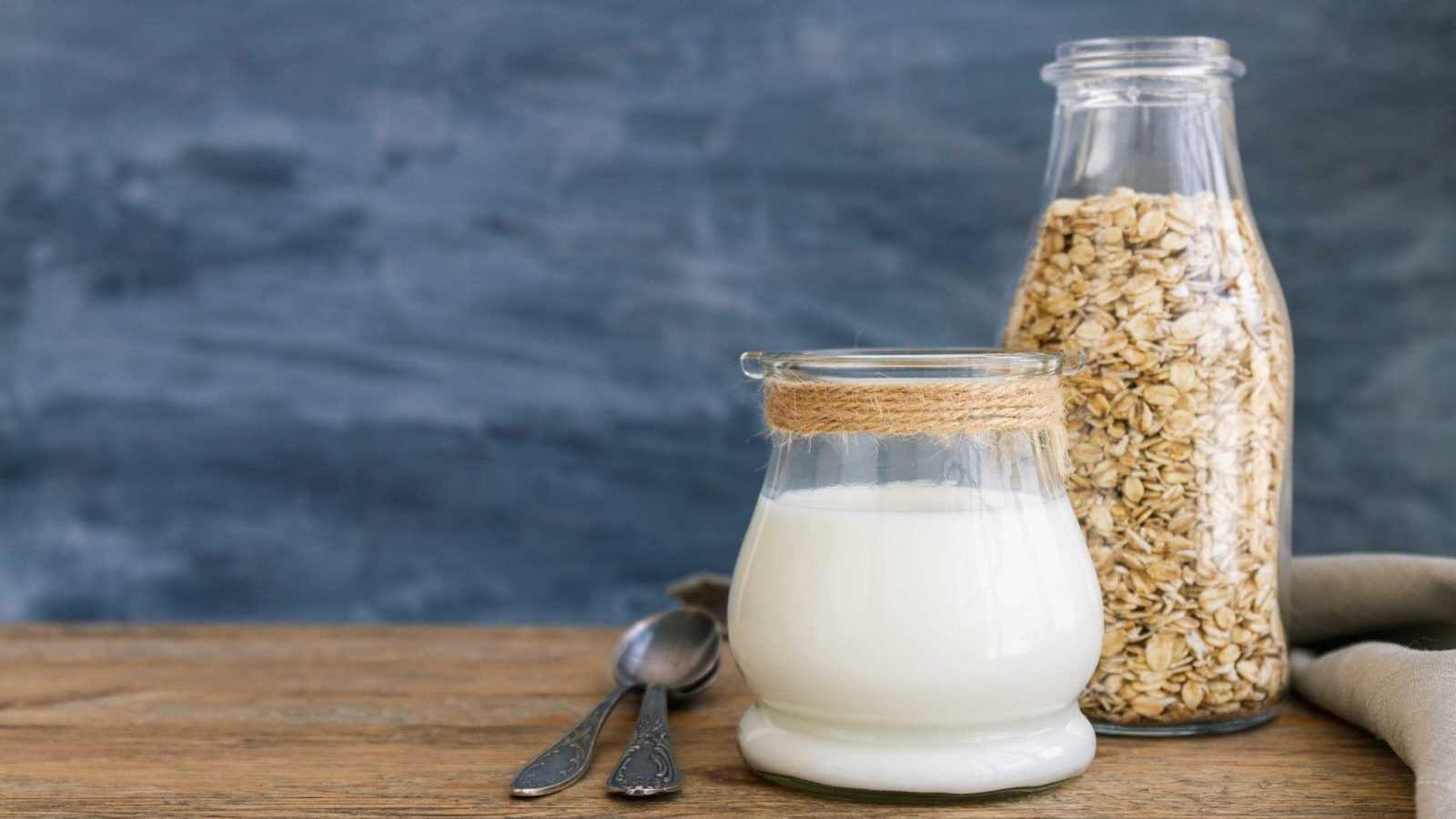
Oat milk consumption is on the rise across Asian markets. Source: WADPIRD
WESTERN Australian growers are just weeks away from starting a bumper oat harvest, with the larger crop and easing prices expected to spark greater interest from Asia’s oat milk market.
In its October Crop Report, the Grain Industry Association of WA has pegged the state’s oat crop at 857,500 tonnes from just over 400,000 hectares.
The figure is well above the 2024-25 estimate of 665,000t and more than double the 2023-24 harvest of 355,000t.
The big impending crop has seen WA oat prices soften, dropping from over $400 a tonne in previous years to roughly $300/t for the 2025–26 Oat1 crop, according to Clear Grain Exchange data.
Essantis co-owner Andrew May said this combination of higher production and easing prices has made Australian oats more competitive on the global stage.
Formerly Unigrain, Essantis processes oats into a variety of ingredients and value-added products at sites in Wagin, WA, and Smeaton in Victoria.
“In the last two years, we’ve had smaller crops, and we’ve had very high oat prices in Australia,” Mr May said.
“It has certain influence on the level of demand for oat product from Australia…and countries like China have been buying a lot of milling oats from cheaper markets, such as Russia.”
He said this season has bucked the trend, with “increased plantings across the country” and WA expected to stand out with “a really strong crop.”
“For WA, we’ve got both increased plantings, and we’ve got luckily increased yields relative to what we’ve seen in the last couple of years.
“It is a more broadly positive sign that Australia can really pick up more of that share to Asia.”
Oat milk in demand
The oat-milk sector represents a significant high-value market for Australian oats in Asia.

Andrew May was a guest speaker at last year’s GIWA Forum. Photo: GIWA
Mr May said it was a “growing category across the whole Asian market” and not just focused on countries considered more mature, westernised or wealthier, like Japan, Taiwan or South Korea.
“There’s growing consumption in the emerging markets like…Vietnam, Indonesia, Thailand, where the market is really embracing it.”
He said these markets already have an existing demand for plant-based beverages, such as soy milk, but were embracing oat drinks “at a strong rate”.
He said consumers in these markets, particularly younger buyers, were purchasing oat milk for a mix of reasons, including environmental concerns, taste preferences, and lactose intolerance.
He said there was also strong demand for oat milks in smaller portions, about 250ml, which offered a more premium market for value-added oats.
“The fastest-growing segment is not just barista cafe applications, but it’s also the convenience-style drinks where it’s also more of that on-the-go, flavoured format rather than necessarily having a one-litre carton in your fridge.”
Domestic capacity investment
Mr May said the strength of the Asian market, as well as demand from domestic consumers for Australian-grown oat products, had driven Essantis’ recent processing expansions.
In 2022, the company received a $3 million grant from the WA Government to expand the oat-flour production line at its Wagin site.
Touted as the largest of its kind in the Asia-Pacific region, the facility was commissioned in December 2024.
It has an estimated production capacity of 25,000t per year of oat flour.
Mr May said the expansion offered two key benefits: an increase in overall capacity, and the completion of a large-scale production system.
He said that new production line was “solely for the purpose of supplying ingredients to oat-milk producers in Asia”.
“The demand for the ingredient has been growing faster than we’ve been able to keep up and that’s why we’ve invested in WA to be able to supply going forward into Asia.”
Also in 2022, the company announced plans to construct an oat enzyme-production facility at the Smeaton site.
Commissioned in May last year, the facility has the capacity to support the production of over 50 million litres of oat milk per year.
“We’re then partnering with companies in Australia to produce finished oat-milk products, where otherwise they would have been importing a finished product into Australia or using imported ingredients to make that finished product.”
Grain Central: Get our free news straight to your inbox – Click here
HAVE YOUR SAY