
THREE quarters of grain-producer respondents are calling for a reduction in the research and development component of the compulsory levy they pay, according to results released today from a Grain Producers Australia survey.
GPA research development and extension spokesperson and Victorian grower Andrew Weidemann said this message is significant, given the grains industry has never conducted such a vote before.
A full report from the professional and independent survey, conducted by Australian Regional Insights, reflecting the survey outcomes has been presented to the Federal Agriculture Minister and Assistant Minister and all required stakeholders.
“An overwhelming majority of growers have voted in support of the proposal,” Mr Weidemann said.
“This is a very clear indication from the people who pay the grains levies about a path forward to address the significant reserves in our R&D system.
“The levies system was designed to be flexible but, unlike some other commodities, grains does not have a formally legislated voting process for growers to have a say at regular intervals.
“GPA started this levy review process in mid-2022 review with the knowledge that levy rates had not changed since 2008, but our industry and its profitability has changed significantly since then.”
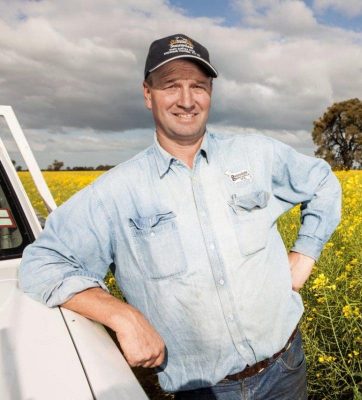
Andrew Weidemann.
The level of R&D reserves has more than doubled in recent years to $730 million, thanks to record production years since 2020-21, with this component of the levy being the only one that attracts matching Commonwealth funding.
“This is the first consultation of this type conducted for the grains industry and presented to the Minister to affect change.
“It’s compulsory for grain producers to pay levies and GPA wants to ensure we optimise the value and benefits they deliver, not only to growers, but also the industry moving forward.”
The professional polling process, which included privacy standards and verification of levy-payer legitimacy by seeking a valid National Grower Register number, comprised two key components.
The first asked for a yes or no response to the proposal to change levy rates.
For the majority of leviable grain crops per tonne, current component rates are the same, namely:
- 0.99 percent of its value for R&D;
- 0.01pc of its value for biosecurity activity;
- 0.005pc of the value for biosecurity response; and,
- 0.015pc of the value for the National Residue Survey.
The GPA proposal is to not alter the biosecurity response and National Residue Survey components, but cut the R&D component to 0.79pc, and lift the biosecurity activity component to 0.07pc.
The second section of the survey invited growers to provide their views and feedback on other issues relevant to the grains levy system, for qualitative data.
Grains Levy Review report highlights
- 76pc of growers were unaware of accumulated levy funding in R&D reserves;
- 69pc endorsement for grains levy rate change among those aware of R&D reserve escalation;
- 89pc of growers support grain producers having a say on compulsory grain levies;
- 72pc unaware of how much they pay annually for compulsory grain levies;
- Those who were not comfortable reducing the R&D component of the levy are looking for more transparency and information
- At 89pc, support is strong for producers having a regular say on levies, and 41pc are interested in an annual review.
Prior to the consultation, GPA worked with Federal Department of Agriculture, Fisheries and Forestry’s Levies Team and Crops Section of its Agriculture Policy Division to ensure GPA’s review processes remained compliant with guidelines.
Along with GrainGrowers, GPA is a representative organisation recognised by the Federal Government as a voice for Australian grain producers.
GPA’s core policy position is to optimise value of and returns from grains levies for growers and other shared beneficiaries, including government, industry and the environment, and to increase fairness and equity.
As per GPA’s legislative responsibilities for all growers, GPA remains committed to working with its state farming organisation members, individual producers, Grain Growers and the Federal Government to ensure the breakdown of the compulsory grains levies components are fit for purpose.
Source: GPA
HAVE YOUR SAY