
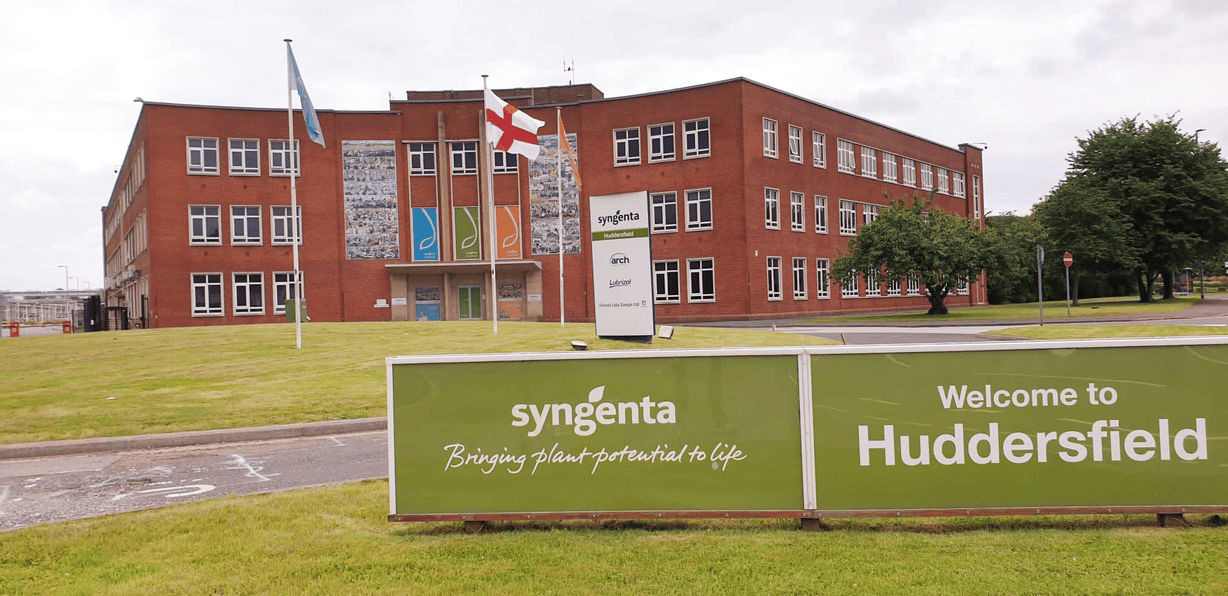
Syngenta’s Huddersfield facility in the UK was its only producer globally of the paraquat active ingredient. Photo: Syngenta Huddersfield
SYNGENTA has today announced its decision to exit the Australia and New Zealand paraquat market.
This follows Syngenta’s announcement in March that it would cease global paraquat production at its only manufacturing facility for the active ingredient, Huddersfield in the UK.
Syngenta’s decision to exit the ANZ market follows the Australian Pesticides and Veterinary Medicines Authority announcement of stricter regulations around the use of paraquat, and a subsequent comprehensive commercial review by Syngenta.
In a statement released today, Syngenta Australia said paraquat has been a “highly valued productivity and conservation tool for many Australian and New Zealand growers”.
“However, dedicating significant resources to unprofitable legacy products is no longer sustainable if we are to maintain our commitment to long-term agricultural innovation.
“This decision, while difficult, allows us to redirect our resources and focus on bringing the next generation of advanced, sustainable crop protection technologies to ANZ growers.
“Regulatory constraints, combined with a highly complex and increasingly expensive supply chain, have made the paraquat herbicide products commercially unviable.”
Syngenta ANZ managing director David Van Ryswyk said Syngenta was committed to working with distribution partners, growers, and industry bodies to ensure a responsible and orderly transition out of paraquat.
“The company will manage the phase-out of its paraquat products in strict alignment with the APVMA’s designated sell-out and use-by timelines.
“Syngenta remains deeply committed to Australian agriculture and will continue to invest heavily in bringing innovative, alternative crop protection solutions to market to help growers manage resistant weeds and protect their yields.”
Australian growers exposed: GPA
In a statement, representative organisation Grain Producers Australia said Syngenta’s withdrawal from the Australian paraquat market has exposed the vulnerability of local growers to global commercial decisions.
Victorian grower and GPA research, development and extension spokesperson Andrew Weidemann said the decision is particularly concerning because Syngenta is the original paraquat registrant and has been a long-term foundation of the Australian market.
Mr Weidemann said the decision created uncertainty despite, generic paraquat products currently remaining available.
“Syngenta has been the stable foundation of this market for decades,” Mr Weidemann said.
“Its withdrawal leaves some important questions about what happens next.
“Paraquat has been proven safe for continued use under the revised conditions and remains critical to weed control, herbicide resistance management and minimum and no-till farming.”
GPA lobbies on behalf of growers to ensure ongoing access to chemicals that help grain producers control various pests, weeds and diseases safely and effectively.
This includes formal engagement with the APVMA, and relationships with chemical manufacturers and suppliers.
Western Australian grower and GPA Western Region director Duncan Young said GPA would be seeking clarity about any implications for existing registrations and the continued supply of paraquat products.
He said Syngenta’s decision was deeply disappointing for growers, particularly following extensive work to contribute evidence and practical experience throughout the APVMA review.
“After everything growers and industry have put into securing a workable, science-based outcome, this feels like a slap in the face,” Mr Young said.
“It shows how vulnerable Australian growers can be when our market is viewed against larger markets overseas.”
Mr Young said the withdrawal also raised broader questions about whether Australia’s market and regulatory settings encouraged companies to maintain established products and invest in bringing new chemistry to Australian growers.
Mr Weidemann said this was especially important as herbicide resistance continued to reduce the effectiveness of available weed-control options.
“Australia is a relatively small market, and decisions like this call future investment into question,” Mr Weidemann said.
“If companies cannot see sufficient value in maintaining products here, growers risk being left with fewer choices at the same time we urgently need more tools to manage herbicide resistance.”
Source: Syngenta, GPA
HAVE YOUR SAY