
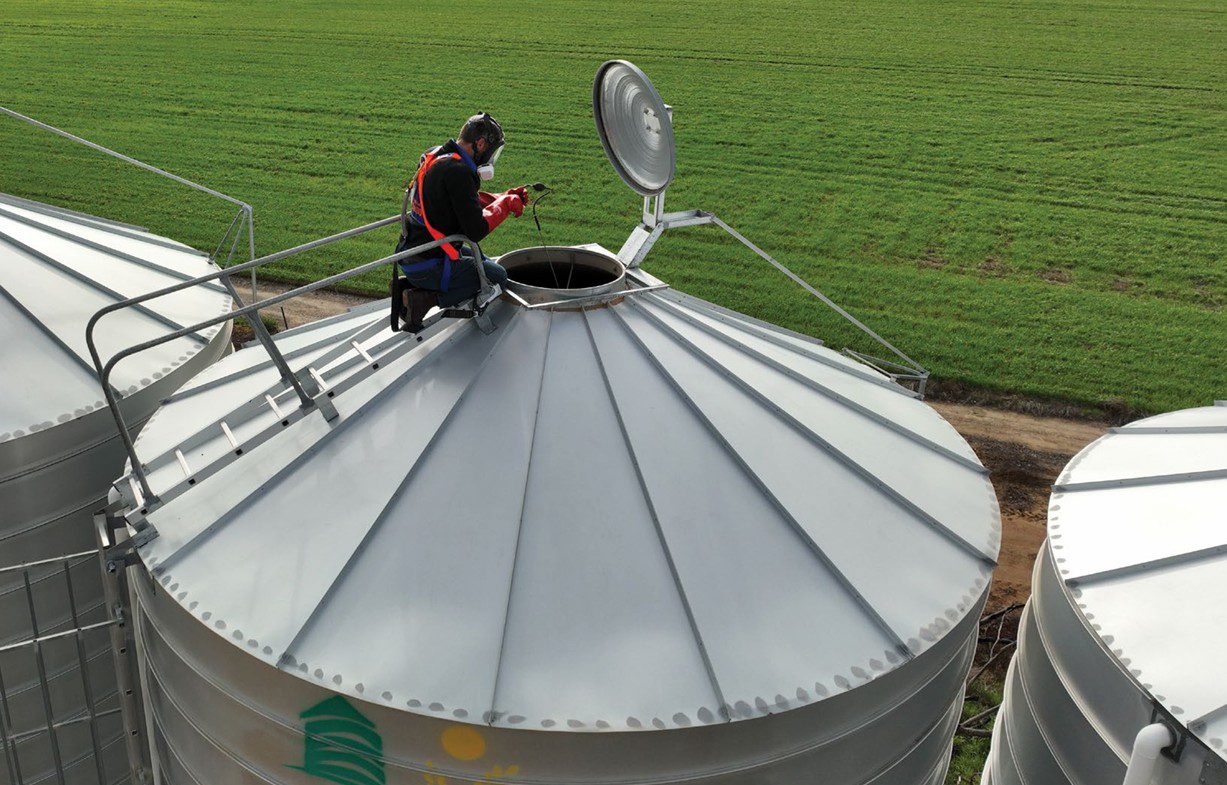
Low-range phosphine meters are used to ensure storages have been vented adequately after fumigation. Photo: Jonathon Kerr via GRDC
OTHER states are yet to follow Victoria’s lead in deferring changes to airborne phosphine limits due to take effect in December, but a push is developing to have to have the deferral adopted nationally.
Under current workplace health and safety regulations, Australian grain must not exceed a phosphine threshold limit value – time weighted average (TLV-TWA) of 0.3 parts per million (ppm).
This is based on safe exposure levels for an individual working an eight-hour day over a five-day week.
As part of a broader review of chemical exposure limits, Safe Work Australia will reduce the workplace threshold for phosphine exposure to 0.05ppm from December 1 under the Workplace exposure limits for airborne contaminants regulation.
State regulators are responsible for the implementation of changes made by the national regulator, typically adopting them as part of a harmonised national framework.
WorkSafe Victoria broke with the established approach earlier this month, announcing it would defer the changes until December 2029.
The state agency extended the transition period to allow affected workplaces more time to make the significant changes to their systems, processes and risk controls.
No other states have yet followed Victoria’s lead, but the move could point to a united push from grower groups, Grain Trade Australia and industry as capable of driving change.
Opposition political parties have also become more vocal about the proposed phosphine changes in some states, potentially raising the issue’s visibility among governments.
South Australia
Alongside grains representative bodies and industry, the South Australian Liberal Party in Opposition has been outspoken about the significant impact the phosphine changes could have on the sector.
This has resulted in the SA Government Deputy Premier Kyam Maher stating it was “considering” deferring the changes, in-line with Victoria.
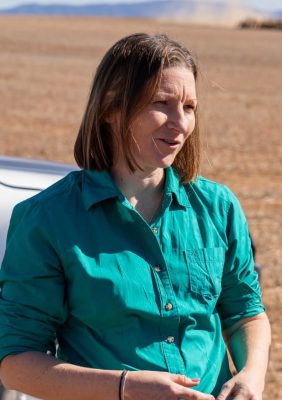
Nicola Centofanti
Leader of the Opposition in the Legislative Council and Shadow Minister for Primary Industries Nicola Centofanti has raised the issue several times in parliament.
“This is not a minor regulatory adjustment. This is a significant change that farmers are warning could have major consequences for grain storage, logistics and exports across South Australia,” Dr Centofanti said.
“Grain farmers are warning that these changes could create substantial disruptions across the supply chain, from grain receivals and storage through to transport and export operations.
“We absolutely recognise that handling safety is crucial, but decisions affecting grain storage and export operations should not be made without a clear understanding of the practical consequences.
“Producers, bulk handlers and exporters deserve confidence that their government understands the challenges they face and is prepared to advocate on their behalf.”
In response to Dr Centofanti’s questions on notice in June and further questioning, Mr Maher noted on August 18 that Vic had pushed back implementation of the workplace exposure limits.
“It’s something we will consider here, but this has been a very, very long time in the making,” Mr Maher said.
“This is something – as, in the meeting with the representative of the grain industry, was noted – they have known about for some years as something that was decided upon and was coming.
“Notwithstanding that, we are considering their request.”
Queensland
Grain Central understands national body Grain Trade Australia, industry and AgForce have met with Queensland Government ministers to advocate for a deferral of the phosphine limit changes, with further meetings scheduled.
Asked whether the government would adopt the changes by December, a spokesperson for Deputy Premier Jarrod Bleijie did not explicitly confirm a date.
“The Crisafulli Government wants every worker to go home safe to their family every day, and we’re consulting with industry regarding the Federal Labor Government’s changes to workplace exposure standards,” the spokesperson said.
“Any changes, including timing, will be clearly communicated to ensure industry understands what is changing and when.”
AgForce Grains president Brendan Taylor said the Qld represenative body was “very concerned” about the impact the changes could have on bulk handling and port facilities.
He said AgForce was advocating for an extension to the implementation “to allow more research into what is and what isn’t safe work limits and get a good outcome for everybody, including people that work with the stuff”.
“[WorkSafe Australia] might well have been making the decision with the best intentions of looking after staff and making a safe workplace, but the unintended consequences are potentially massive,” Mr Taylor said.
He said there were also concerns about whether current monitoring equipment could accurately measure the lower levels of the fumigant, which would require further research.
Mr Taylor said he was optimistic, given the industry was united in calling for more time to address the regulatory changes.
“It’s probably the first time I reckon I’ve seen, in my involvement in this sort of stuff, that across the country there’s a united front on how big of an implication this could have on grain growing across the country.”
New South Wales
Before the Vic announcement, SafeWork NSW issued a statement to Grain Central backing the national approach and encouraging businesses to prepare for the changes.
“Following a Safe Work Australia process in 2024, work health and safety (WHS) ministers across Australia agreed to workplace exposure limits for airborne contaminants, including phosphine,” the spokesperson said.
“Businesses are encouraged to familiarise themselves with the new workplace exposure limits by identifying, assessing and controlling the risk posed by the airborne contaminant hazard by 30 November 2026.”
Since then, NSW Shadow Minister for Agriculture Brendan Moylan came out calling for a practical, evidence-based approach to proposed workplace exposure limits for phosphine.
“I’m calling on the Minns Labor Government to work with the grain industry and Safe Work Australia to ensure the new exposure limits are practical, achievable and properly informed by the realities of grain storage,” Mr Moylan said.
“Worker safety must come first, but regulation also needs to recognise how phosphine is used in grain storage and fumigation.
“We need clear, workable rules based on sound science, appropriate monitoring and practical risk controls, not one-size-fits-all regulation that makes it harder to safely protect grain.”
Western Australia
Grain Central understands the WA grains groups and co-operative bulk handler CBH Group have been a part of the consultation process on phosphine changes.
WA Grains Group chair Alastair Falconer said the group had written to WA’s ministers for workplace safety and agriculture to outline the impact of the reduced thresholds on the grains industry.
“[We] haven’t had any fantastic responses, but we’re certainly doing what we can anyway,” Mr Falconer said.
He said they were hoping WA, like Vic, would adopt the three-year deferral.
“We’d be crazy not to, because it’s not workable like it is.”
The Office of the WorkSafe Commissioner said in a statement that WA remained on track to reduce phosphine limits by the end of the year.
“WorkSafe currently anticipates that the change to the Workplace Exposure Standard for Phosphine will be adopted for WA workplaces in December,” the statement said.
Grain Central: Get our free news straight to your inbox – Click here
HAVE YOUR SAY