
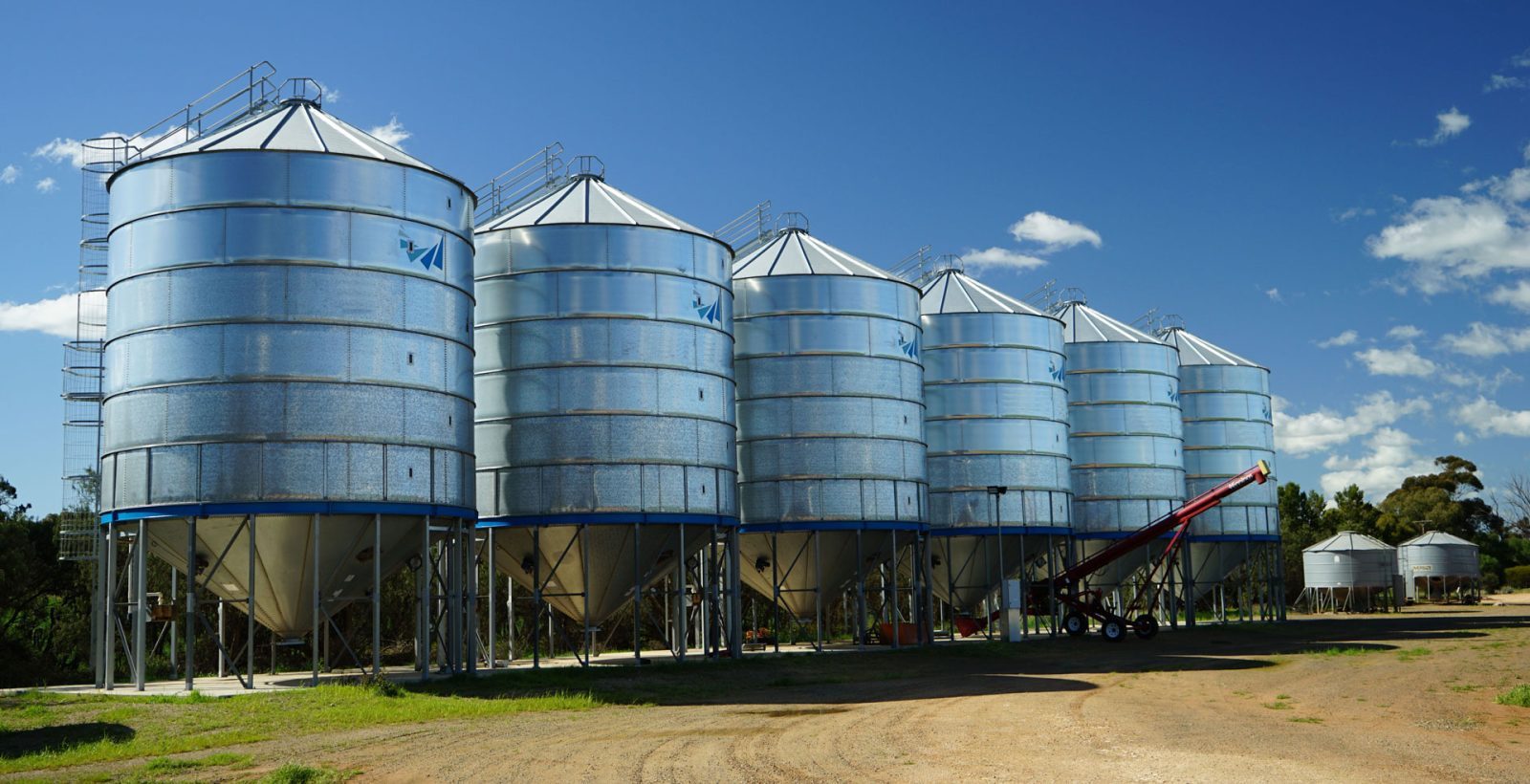
The new phosphine levels are set to come into effect in most states from December 1. Photo: GRDC
WESTERN Australian representatives have stepped up calls to delay the implementation of tighter phosphine regulations, as the country’s largest grain-exporting state stands to be significantly affected by tougher workplace exposure limits due to take effect on December 1.
As part of a broader review of chemical exposure limits, Safe Work Australia will reduce the workplace threshold for phosphine exposure to 0.05 parts per million (ppm) from December 1 under the Workplace exposure limits for airborne contaminants regulation.
The change represents a major reduction from the current limit of 0.3ppm, which is also the standard in the United States, Canada, the United Kingdom, and New Zealand.
It is now up to the states to adopt the national WEL, with Victoria the only state whose regulator has announced a three-year deferral.
Neither the WA regulator nor the WA Government’s relevant ministers have indicated support for a potential deferral or reversal.
With less than three months until the changes take effect, state representatives, backed by federal MPs, have stepped up pressure on the WA Government to consider the impact on industry.
Shadow Minister for Agriculture and Food Lachlan Hunter said the changes could have major consequences for WA’s grain industry just months before harvest.
“The Cook Labor Government must urgently explain how Western Australia’s grain industry is expected to comply with the new limits, amid serious warnings from industry that implementing compliant systems before the 1 December deadline may be impractical and economically unviable,” Mr Hunter said.
He said that Grain Trade Australia has already warned that developing compliant systems at scale before the December deadline is impractical and economically unviable.
“This isn’t farmers complaining about change; these are serious warnings from the people responsible for storing, handling and exporting Australian grain.
“Phosphine is one of the most important tools our industry has to control insects in stored grain.
“Get pest management wrong and the consequences can flow through grain quality, quarantine, market access and exports.
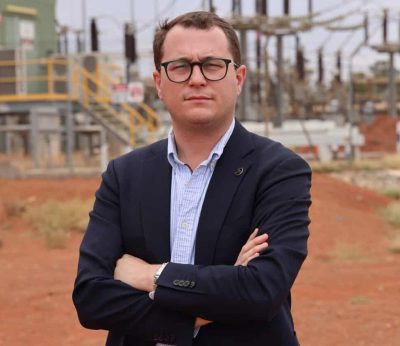
WA Shadow Agriculture Minister Lachlan Hunter.
“Nobody is arguing against worker safety.
“Our growers and grain handlers want their workers to go home safely every day, but worker safety and a functioning grain industry are not mutually exclusive.
“Regulation has to be based on sound science and capable of actually working in a grain shed, silo or bulkhead, not just on a bureaucrat’s spreadsheet.
“Victoria has already recognised the practical concerns and provided additional time.
“The question is whether the Cook Labor Government has even properly examined what these changes mean for Western Australia.”
WA Shadow Minister for Planning and Lands, Aboriginal Affairs, Public Sector and Seniors Neil Thomson MLC said in a social media post that the WA grains sector had used phosphine safely “for over 50 years to protect our $6-10 billion industry”.
He called the new limits “draconian” and said they would “severely curtail our industry – if not simply make in unviable”.
“Grain Trade Australia has shown there’s been no notable occupational disease or problem with the use of phosphine,” Mr Thomson said.
“It can be used safely in our state and we must ensure we protect our industry going forward and the Minister needs to look very closely at the introduction of these regulations because this is going to severely impact on the grain industry in Western Australia.”
Federal awareness
Federal MP for O’Connor Rick Wilson has backed his state counterparts, speaking in support of their concerns in parliament.
“We are fast running out of time on a change which, if it proceeds, threatens an entire industry,” Mr Wilson said.
“I call on the WA Government to back WA grain growers, support WA’s $7 billion grain industry and rescind the ban immediately.”
He said industry had informed him that the upcoming reductions “will create significant operational challenges without clear evidence of corresponding improvement in safety outcomes”.
“The concern being raised is that these new requirements cannot be implemented practically across an industry that handles tens of millions of tonnes of grain every year.
“Without the ability to control grain insects while in storage, exporters will be unable to receive a phytosanitary certificate from AQIS and Australia’s grain exports will grind to a halt.”
WA Government response
Two WA shadow minister, Steve Martin for Transport; Ports; Small Business; Communities and Peter Rundle for Water; Sport and Recreation have led questioning of the WA Government over the past two weeks.
WA Minister for Industrial Relations Simone McGurk said “big concerns about the effects of phosphine” existed in the Safe Work Australia review with the aims to “prevent respiratory and neurological effects” of the chemical.
“WorkSafe WA is working closely with industry to support the implementation, including the delivery of an education campaign to raise awareness and to assist workplaces,” Ms McGurk said.
“Industry has had quite a lot of notice about this decision from as far back as 2019.
“The formal decision by all jurisdictions was in 2024.”
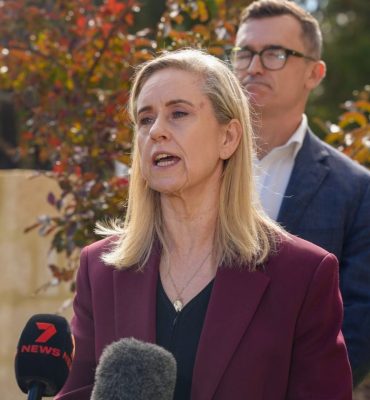
Minister for Industrial Relations Simone McGurk
Ms McGurk said the WA Government was “listening to concerns” of industry and confirmed that she was copied into a letter WA bulk-handler CBH Group sent to Minister for Agriculture Jackie Jarvis “in the last couple of weeks”.
“I have been liaising with the Agriculture Minister as well to properly understand what its concerns are.
“We will continue to do that as we lead into the implementation date of December this year.”
Ms McGurk said one issue under discussion was the measurement of the new phosphine WELs and “whether it is a reliable measurement, what the alternatives are et cetera”.
“I am working closely with Safe Work Australia and I do undertake to listen closely to industry about its concerns on this issue.
“I understand that this product is used and relied on very heavily, but we also have to balance that against the dangers to both consumers of the product and, importantly, workers in the industry.”
In response to questions, Ms Jarvis said WA’s Department of Local Government, Industry Regulation and Safety’s WorkSafe Group was undertaking an awareness campaign focused on the new limits includes a media campaign targeting the agricultural industry.
“The state government is continuing to work with the WA grain industry and stakeholders, including CBH, regarding Safe Work Australia’s new workplace exposure limits for phosphine,” Ms Jarvis said.
“Changes to the exposure limit were agreed in 2024 to provide more than two years notice to industry of the decision.
“In addition, an awareness campaign on the transition to the new workplace exposure limits commenced in August 2026.
“The Department of Local Government, Industry Regulation and Safety is working with industry representatives to understand their concerns and ensure guidance and support is responsive to industry concerns.”
CBH seeks extra time
In response to questions about the potential impacts of the upcoming phosphine changes on CBH operations, a spokesperson said the company was currently engaging with industry and government on the issue.
“CBH supports workplace health and safety regulation and the objective of protecting workers from exposure to hazardous substances,” the spokesperson said.
“We are engaging constructively with government and regulators to seek additional time to get this right, allowing industry, government and regulators to determine whether the proposed phosphine exposure limits are supported by an adequate evidence base for the WA grain industry and, if so, how they can be implemented safely, practically and effectively.
“This is consistent with approaches being considered in other jurisdictions.”
Grain Central: Get our free news straight to your inbox – Click here
HAVE YOUR SAY