
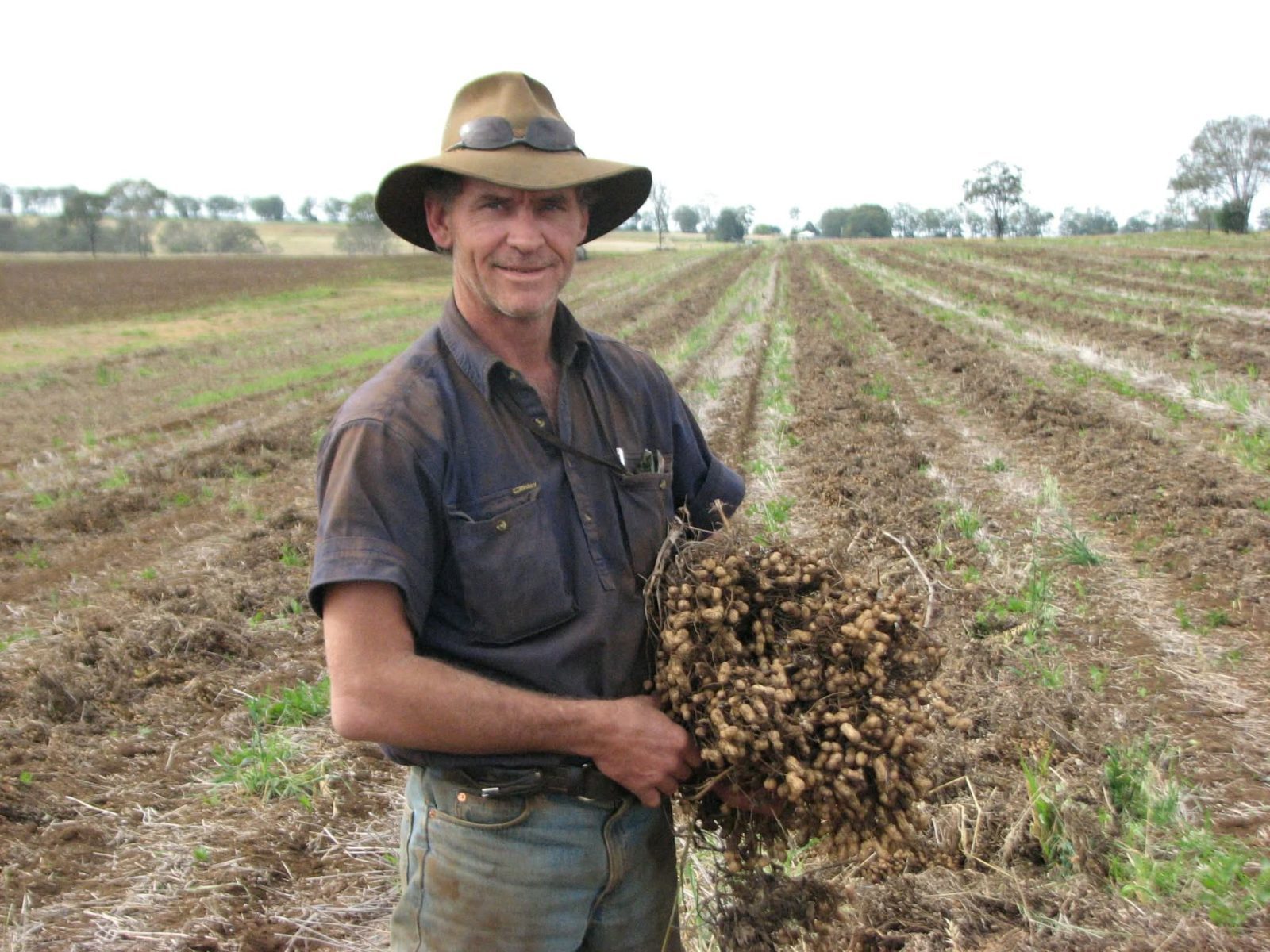
Kumbia peanut grower Julian Cross.
AUSTRALIAN peanut growers are questioning why GRDC is prepared to invest $2 million developing a new pigeon pea industry while the established, levy-paying peanut industry is fighting for the research, breeding and market support needed to survive.
GRDC on September 29 called for tenders for a four-year program to establish pigeon pea as a new summer legume across Queensland and northern New South Wales, and aims to establish a 30,000ha pigeon pea industry by 2030..
The proposed investment includes agronomic research, market development, pre-breeding priorities, support for minor-use permits and extensive grower extension.
Long-term peanut grower Lionel Wieck from Wooroolin near Kingaroy said the contrast is difficult to understand.
“Peanuts are a drought tolerant, summer legume capable of returning plenty of nitrogen and carbon to the soil but peanut growers are fighting to even get a meeting with GRDC at present, let alone support to help the industry grow,” Mr Wieck said.
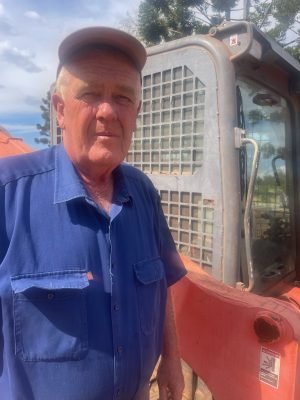
Wooroolin peanut grower Lionel Wieck.
“The peanut industry is already established, we know we produce some of the best peanuts in the world yet we’re constantly being told that we should all start growing pigeon peas instead, despite pigeon peas being relatively unproven.”
The GRDC 2026 Peanut Crop Improvement Plan concludes that continued investment in research, market development and supply-chain capability could position the Australian industry to respond to growing demand.
In fact, GRDC describes peanuts as a relatively drought tolerant, adaptable legume that present a “compelling opportunity” for northern Australian farming systems with established production areas in the Wide Bay-Burnett and North Queensland and multiple income streams available.
Mr Wieck said with the right support, the peanut industry has an opportunity to revitalise, increase production and capture a greater share of growing domestic demand.
“Australian peanuts are readily acknowledged as some of the best quality in the world, but we can’t boost our productivity without R&D support and a viable breeding program, something that GRDC is very reluctant to discuss with peanuts growers at present.
“The value of peanuts is so well proven that they are written into the Reef 2050 Water Quality Improvement Plan4 as a vital component of sustainable cropping systems in reef catchments which GRDC readily acknowledge in the opening statements of the recent GRDC peanut crop plan.”
Why ignore an existing industry?
Growers are asking why GRDC is willing to invest in developing markets, agronomy, permits and future breeding priorities for pigeon pea while peanut growers are calling for many of the same things to support an industry that already exists.
Kumbia peanut grower Julian Cross has grown peanuts for decades in the rich red soil just outside Kingaroy and cannot believe that pigeon peas are being promoted as a replacement crop for peanuts.
“It is deeply disappointing to see GRDC prepared to invest $2 million in research, market development and supply-chain capability for an unproven crop when that exact type of support could help our Australian peanut industry to rebuild,” Mr Cross said.
“The peanut industry has had a major setback with the sale of PCA in Kingaroy last year, but we have generations of experience growing peanuts, they’re a tough crop well suited to Queensland’s climate, they’re a strong legume capable of fixing a lot of nitrogen and there is proven demand in Australia for high-quality peanuts”.
“Queensland’s peanut growers want the opportunity to grow peanuts to meet growing Aussie demand, but we can’t do that without support from our R&D corporation.
“Australian growers have made many attempts to meet with GRDC in recent months without success, then we learn that GRDC is investing in a new, unproven crop while overlooking a well-established summer legume like peanuts.”
Mr Cross says the issue is not whether pigeon pea deserves research, but rather why comparable urgency and investment is not being directed towards an existing Australian industry that has growers, infrastructure, knowledge, genetics and consumers already in place.
Source: Contributed
HAVE YOUR SAY