
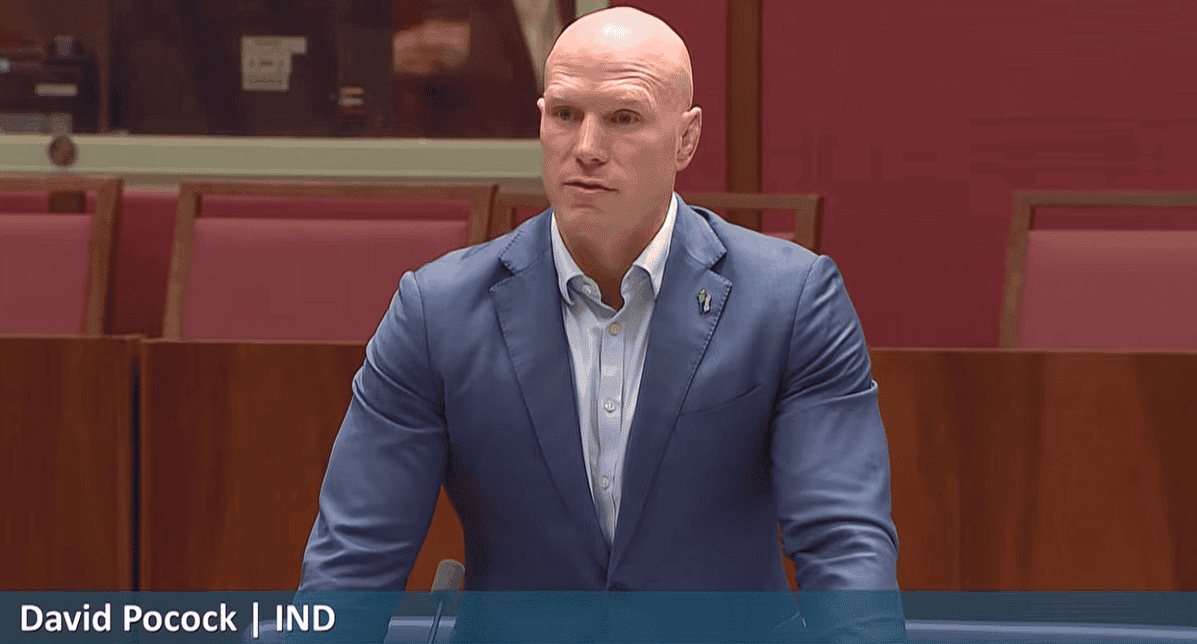
THE MAJOR parties have combined to block a motion from independent Senator David Pocock to hold hearings as part of an inquiry into the Australian Pesticides and Veterinary Medicines Authority (APVMA) regulatory decision on paraquat.
Last month, the Senate backed Mr Pocock’s bid to establish an inquiry into the decision, including evidence linking the knockdown herbicide to Parkinson’s disease and other neurological conditions.
The inquiry was backed by the Senate crossbench, Nationals, Liberals and The Greens.
Grain Producers Australia, GrainGrowers and state farming organisations came out against the move, saying the inquiry could undermine independence of the APVMA.
Grain Central understands that following the pushback from the grains industry, the Rural and Regional Affairs and Transport (RRAT) References Committee opted against holding public hearings as part of the inquiry.
Typically, at least one hearing is held as part of a Senate inquiry.
The committee decides whether to hold a hearing, with no set criteria governing the decision.
The RRAT References Committee has Nationals’ Ross Cadell as chair, and the Australian Labor Party’s Glenn Sterle as deputy chair, and The Greens’ Vanessa Bleyer, Richard Colbeck and Paul Scarr of the Liberal Party, and the ALP’s Josh Dolega as committee members.
Mr Pocock is a participating member of the inquiry and would not have had a say in the decision to hold hearings.
On Thursday, he put a motion before the Senate calling for the committee to “conduct at least one public hearing as part of its inquiry into the continued use and regulation of paraquat, with a total duration of not less than 5 hours”.
Mr Pocock’s motion said the decision not to have hearings denied the “APVMA, scientific and medical experts, industry representatives, farmers and people living with Parkinson’s disease the opportunity to give evidence publicly, share their experiences and be questioned by senators on matters relevant to the inquiry.”
It would “require the attendance of representatives of the APVMA to give evidence and answer questions concerning the regulation, safety assessment and continued use of paraquat in Australia”.
The motion also instructed the committee to, “take all reasonable steps to identify, invite and facilitate the participation of people living with Parkinson’s disease who have been exposed to paraquat, including farmers and agricultural workers, to ensure they have a meaningful opportunity to give evidence and answer questions at the public hearing”.
Mr Pocock and other senators declined to make statements on the motion.
Unlike the first motion, the second was defeated 26 votes to 15, with support from the crossbench and Greens and opposition from the ALP, Liberal and National party senators.
Inquiry ‘behind closed doors’
Parkinson’s Australia and Mr Pocock have spoken to media and campaigned to hold a hearing as part of the inquiry.
On the morning before the motion came before the Senate, Mr Pocock appeared alongside Parkinson’s Australia chief executive officer Olivia Nassaris on the Channel 7 SunRise program.
Mr Pocock told the program “there should be scrutiny of this decision”.
“Unfortunately, the major parties don’t want to have a public hearing as part of this Senate inquiry that the Senate decided to have, and I think we should be able to hear from experts, hear from the regulator and hear from farmers who are affected,” Mr Pocock said.
“I think it’s very important that when we have these Senate inquiries that there is an element that is public.”
Mr Pocock said the APVMA’s argument was “that the evidence says that [paraquat] can be safely used” and it wasn’t “what several countries around the world think and there should be scrutiny around that decision”.
“I’ve had so many experts get in touch and say: ‘the way they’ve interpreted the evidence from different studies is not actually what those studies say, and they should be taking a cautionary approach’”.
Ms Nassaris was asked what alternatives would be available to grain growers if Parkinson’s Australia’s call for a total paraquat ban was adopted.
“We have organisations, farming organisations, regenerative farmers and organic farmers that do have submissions that will speak to that,” Ms Nassaris said.
“We’re also supporting funds so farmers can also change their practices to safe practice which will protect not just their health but the soil and our land as well.”
Parkinson’s Australia issued a statement last week backing Mr Pocock’s motion, warning that holding the inquiry behind closed doors could prevent community voices from being heard.
“We’re grateful Senator Pocock successfully launched a Parliamentary inquiry, but without public hearings, we will be silenced,” Ms Nassaris said.
“Large-scale studies have identified an association between paraquat and the incidence of Parkinson’s and Australians must hear the evidence.”
The submission deadline into the inquiry has been extended from October 22 until November 18.
Grain Central: Get our free news straight to your inbox – Click here
HAVE YOUR SAY