
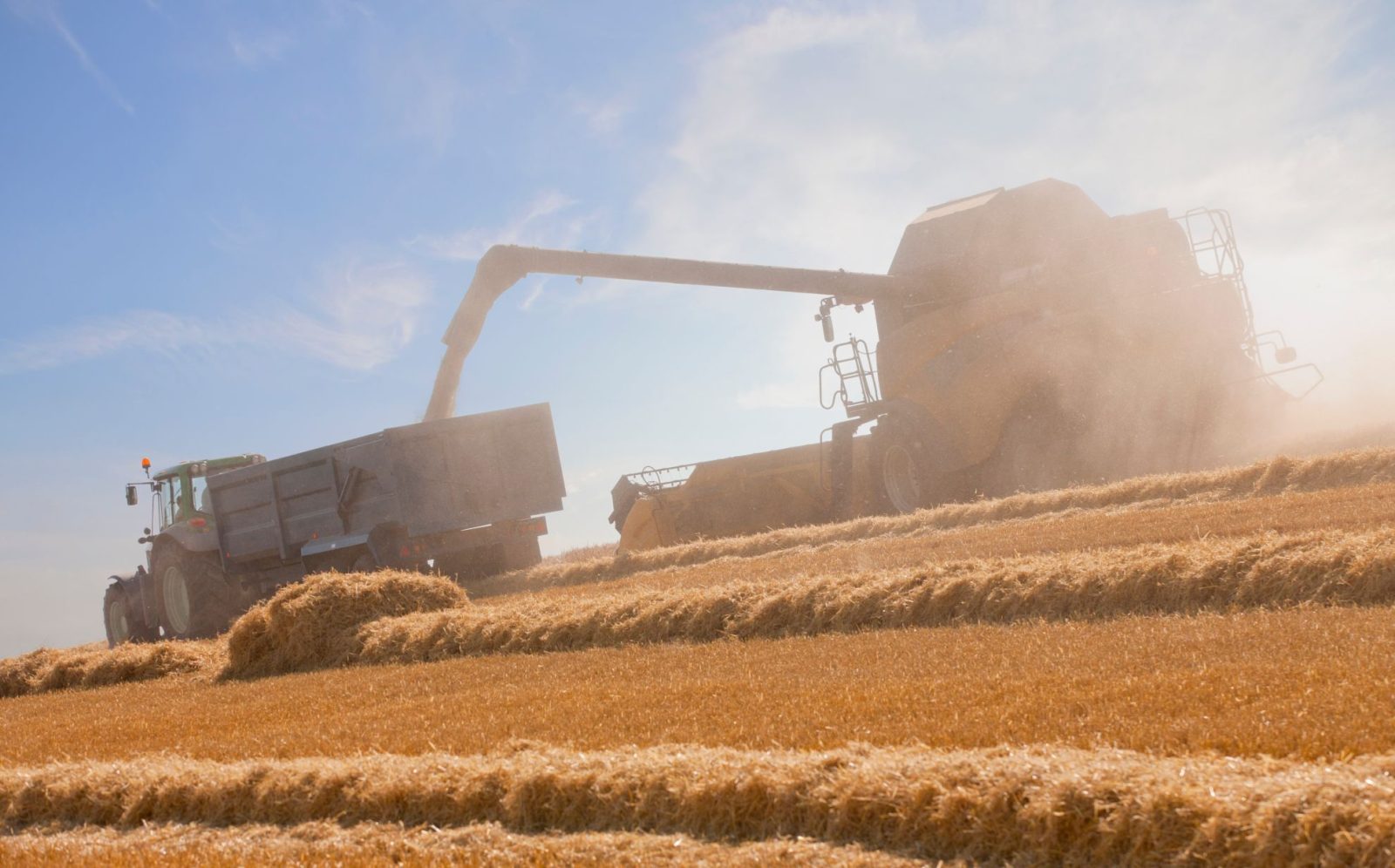
THE SOUTH Australian Government has postponed the introduction of new Workplace Exposure Limit (WEL) regulations for grain dust, methyl bromide and flour dust following consultation with SA producers.
It comes after the government agreed earlier this month to delay commencement of new WELs for phosphine following approaches from the SA grain lobby.
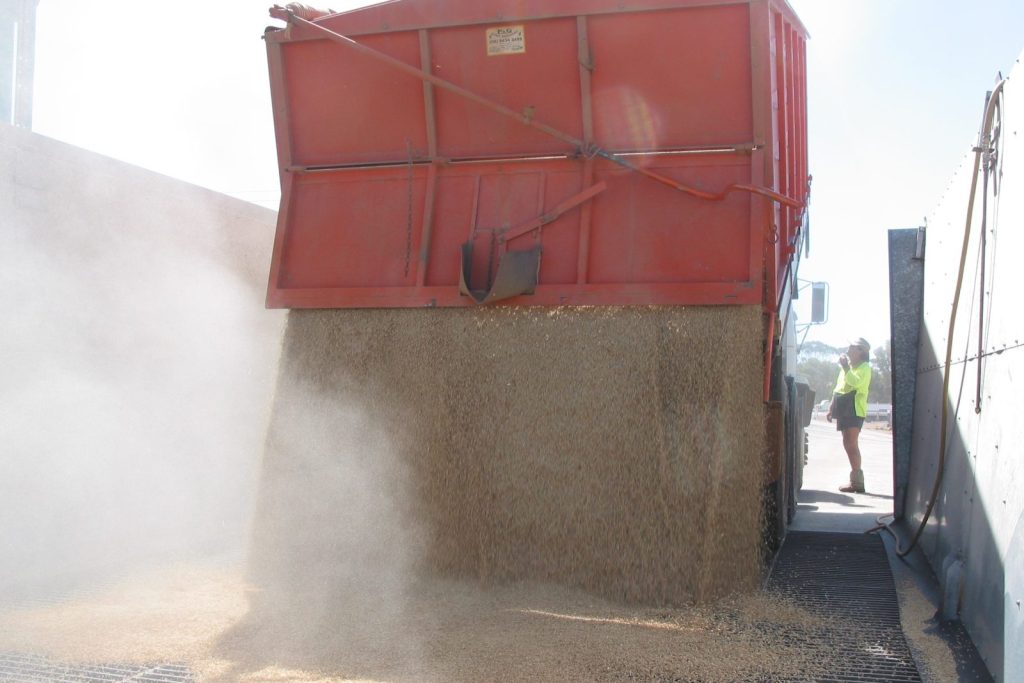
Grain dust is generated during the harvest, storage, handling and transport of grain including wheat, barley and oats, while flour dust is generated from handling and processing of flour and grain products and primarily affects workers in milling, baking and food-manufacturing industries.
Methyl bromide is a fumigant used for pest control and quarantine purposes, including within the grain supply chain and export activities.
WELs are fixed at a national level through Safe Work Australia (SWA), with implementation left to individual state and territory jurisdictions.
The new WELs for grain dust, flour dust and methyl bromide were due to come into effect December 1.
The grain industry, represented by Grain Producers SA and Grain Producers Australia, and the Australian Industry Group (AIG) have raised concerns about being able to demonstrate compliance with the revised WELs and implement the necessary workplace controls prior to that date.
Following consultation with industry, the SA Government has extended the introduction date by at least 18 months, meaning new WELs for grain dust, flour dust and methyl bromide, will not take effect before July 2028.
This will ensure no disruption to the current and following grain harvests, and will provide time for detailed discussion and consultation between industries, SafeWork SA, and other authorities about the impacts of the proposed WELs.
Similar moves have been made in Victoria, where implementation of new WELs for phosphine, grain dust, flour dust and methyl bromide has also been delayed, and in Western Australia, where implementation of the new WEL for phosphine has been delayed.
SafeWork SA will also work in collaboration with the grain industry and AIG to deliver specific guidance, education and support on other WELs including grain dust.
SA Minister for Primary Industries and Primary Development Clare Scriven said the decision came after hearing concerns from industry groups about meeting the implementation deadlines.
“This extension will avoid disruption to the next two grain harvests and give much-needed breathing room for industry consultation and support for the eventual implementation of these new limits,” Ms Scriven said.
“Our government remains committed to workplace safety, but we also recognise more time is required as we continue to work closely with industry to ensure these changes can be practically achieved.
“SafeWork SA will continue working with industry to provide guidance, education and support as preparations continue ahead of the new commencement date after July 2028.”
Grains Producers SA chief executive officer Brad Perry thanked the SA Government for listening to the concerns of grain producers and “acting on the practical concerns” raised.
“We have worked closely with the Premier, Deputy Premier, Minister Scriven, SafeWork SA and industry organisations to explain what implementing the new Workforce Exposure Limits on 1 December would have meant for a record harvest in South Australia,” Mr Perry said.
“With South Australia expecting a grain harvest exceeding 13 million tonnes, the proposed commencement date would have created enormous uncertainty across harvesting, storage, handling and export operations.
“The proposed grain and flour dust limits presented serious practical challenges, including how businesses could reliably demonstrate compliance. Industry needed workable guidance and time to assess the controls required before these changes took effect.
“Grain producers take workplace safety seriously.
“This time will be used to build the evidence, develop practical guidance and establish how any revised limits can be implemented effectively, if at all.
WA Shadow Minister for Agriculture and Food Lachlan Hunter MP
“GPSA will continue working with government, regulators and industry to achieve that as a priority.”
Grain Producers Australia also welcomed the announcement, calling it a practical step which aligns the state with neighbouring Victoria.
“This practical announcement from the South Australian government, follows in the footsteps of Victoria and supports the grain sector in relation to new standards that have been of great concern for grain growers,” GPA said in a statement.
“GPA has been vocal about the issues related to this change, including running national surveys that showed 91 percent of growers are concerned about their ability to reasonably measure, monitor, and manage upcoming work exposure limit changes, and 96pc of growers do not know where to go to get more information about upcoming changes.”
Other states silent
Queensland and New South Wales may yet defer adoption of the new WELs ahead of December 1.
WA has opted to defer the reductions for phosphine for three years but has not made a similar call for grain dust.
This has drawn criticism from the WA Opposition, which has called for the Industrial Relations Minister Simone McGurk to act in the best interest of the grains industry.
WA Shadow Minister for Agriculture and Food Lachlan Hunter said the WA Agriculture Minister Jackie Jarvis must address growers’ concerns before the new limits take effect on 1 December, in the middle of harvest.
“Farmers are harvesting their crops; they need clear answers about how to measure, monitor and manage grain dust exposure, yet the Minister seems more interested in defending her position than fixing the problems,” Mr Hunter said.
During parliamentary Question Time last week, Ms McGurk claimed industry representatives she had spoken to had been comfortable with her communication that grain-dust limits would not be delayed, asserting they “did not object” during her conversations with them.
Mr Hunter said that portrayal ignored written requests for change, which he tabled.
“WAFarmers requested a deferral and consultation before enforcement.
“SafeFarms WA rejected the December commencement date and requested a delay until December 2027.”
Alongside WAFarmers, the cross-sector Pastoralists and Graziers Association of WA has also weighed in.
“The PGA called for untreated grain dust to be removed from the airborne contaminants list.
“The Minister cannot rewrite industry’s position to suit her argument.
“Acknowledging a decision is not the same as supporting it. If she claims those concerns have been resolved, she should identify which organisations have withdrawn their requests and when.”
GPA questions evidence
This comes as GPA has identified massive concerns with the use of a single Dutch study in the evaluation process the Federal Government has used to justify a huge drop in safe work exposure limits for grain dust.
“The study used data that is over 40 years old on the wrong grain types, to set new regulations that could make grain production almost impossible,” GPA said in a statement released today.
GPA said it has reviewed the “outdated evidence” used by SafeWork Australia to evaluate the current grain dust standard and recommend the new heavily reduced limit set to come into effect in 35 days.
“The formal SWA Workplace Exposure Standard (WES) Evaluation Report for Grain Dust (oats, wheat, barley) referenced only two research papers and recommended a finding from the single Dutch paper from 2011, with its finding deduced from two North American studies conducted in 1982 and 1983.
GPA said while this evidence seems far from “high quality, contemporary evidence”, it also fails to compare “apples with apples” when it comes to Australia safe-work standards, with the Australian workplace threshold for grain dust explicitly specified by SWA as grain dust from oats, wheat, and barley.
“While the Dutch study clearly states it was undertaken with a grain dust definition of “fine particulate matter originating from several grains, such as wheat, oats, barley, rye, sorghum, and including maize, rice, pulses – such as soybeans and peas – and various oil seeds”.
GPS said the new limits seem inconsistent with how SWA defines exposure limits.
SWA guidance states that the new exposure limits to be enforced – “are the maximum level of an airborne contaminant that most (but not all) people can be exposed to without harm to their health”.
“Despite this, the evaluation recommended a new threshold where there are no adverse effects observed, despite the summary of the Dutch study stating that “in most studies, clear effects on the respiratory system are reported at grain dust levels exceeding 4-5 mg/m³” – the current Australian standard.
“I’m really concerned that Australian grain growers are supposed to comply with grain dust regulatory standards that are based on evidence that is over 40 years old, from Dutch research that is not consistent with the types of grain dust specified by the national regulator,” GPA chair Matthew Madden said.
“GPA have become aware that this new grain dust threshold is likely to be extremely difficult for grain growers to comply with, but to now see the science being used to justify the change raises huge questions.
“GPA have been working extremely hard with our members to survey them, develop online resources, and help them adjust to this change in good faith, and now we’re not sure who we can trust.
“GPA have taken the approach of working with governments and regulators to help them understand the needs of growers and negotiate outcomes that balance workplace safety and practicalities, but how can we say we represent our members and stay silent about this information?
“GPA will continue to work with governments on behalf of grain growers, but SafeWork Australia, all other regulators and governments need to hold up their end of the relationship too.”
Source: SA Government, GPA, WA Nationals
HAVE YOUR SAY