
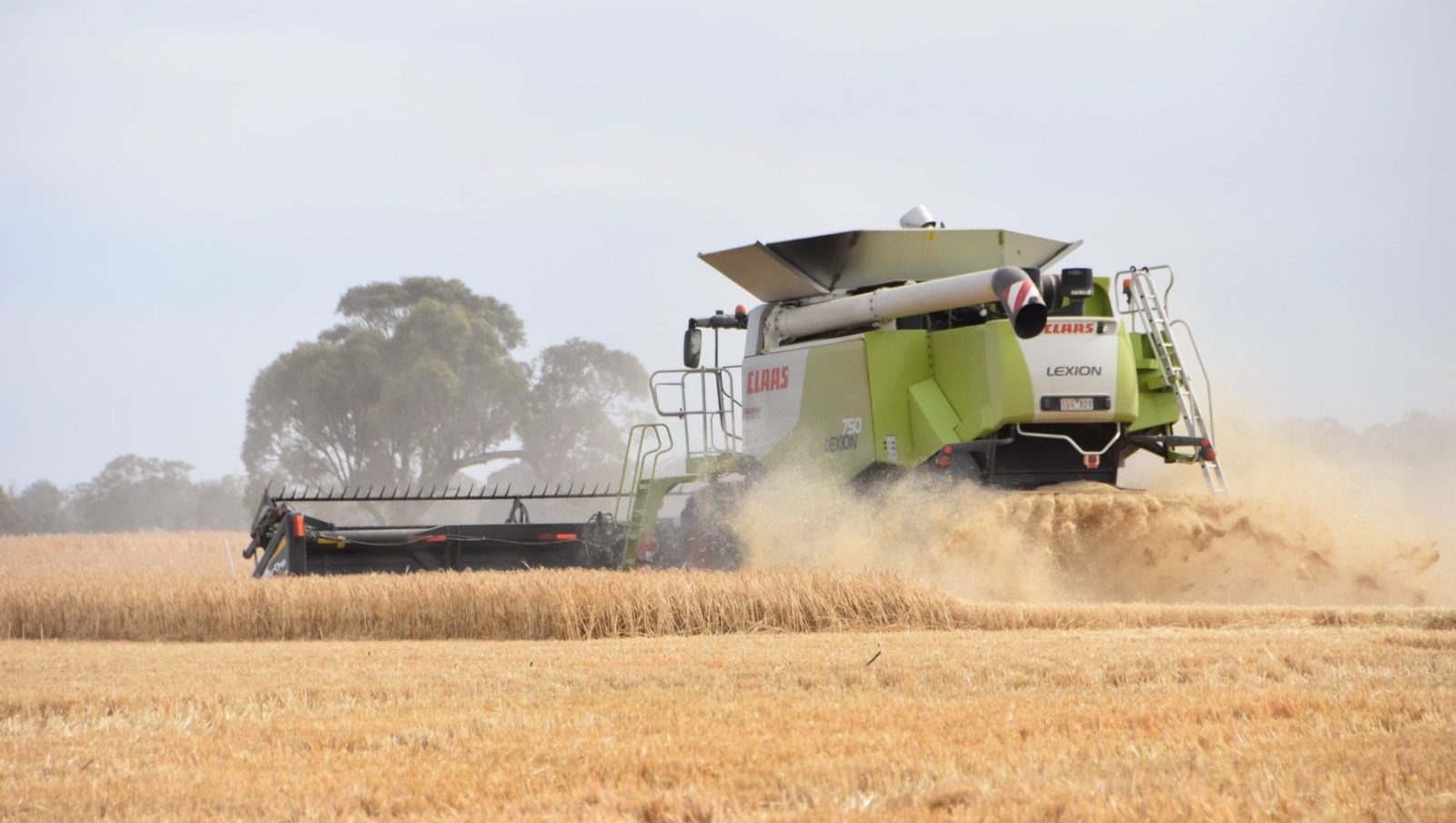
UNCERTAINTY abounds around what impact new workplace exposure limits (WEL) for grain dust due to come into effect on December 1 will have on farming operations.
The new limits will cut the eight-hour time-weighted average WEL for grain dust from 4mg/m³ to 1.5mg/m³ in all jurisdictions bar Victoria, where implementation of new WELS has been deferred until December 2029 for grain dust and 14 other airborne contaminants.
Through its ongoing review and revision of workplace exposure standards, Safe Work Australia (SWA) released a list of new WELs that includes over 600 airborne contaminants including grain dust.
The changes will take effect at the same time as the reduced WEL for phosphine, which has been a major concern for the grain sector and the focus of coordinated advocacy led by Grain Trade Australia.
Representative organisation Grain Producers Australia has launched an online survey seeking to better understand the impact of the upcoming changes to growers amid concern that they will find it difficult to reasonably measure, monitor and manage the lowered limits.
The survey is open until October 11, and early results suggest a significant gap between the new regulations and growers’ understanding of the changes and how they will be implemented on-farm.
Grain Central understands that, at this stage, 98 percent of grower respondents do not know how they will measure grain dust exposure, 95pc are unsure how they will manage the changes, and 80pc were unaware of the new limits before GPA communications.
GPA chair and New South Wales grower Matthew Madden said GPA was concerned that growers may not be aware of this new grain-dust requirement, and are worried they will not be able to reasonably comply with regulation associated with such a big decrease.
“Grain growers across Australia are committed to safe work practices in their businesses, but we’re concerned that growers will be unaware of changes that will commence during harvest,” Mr Madden said.
“GPA is mindful of the broader workplace safety issues related to different types of dust such as silica dust in mining and construction, but we are frustrated with the process taken to change these regulations.
“Firstly, grain growers want to have effective communication from regulators about such changes, and we also want reasonable standards that we can actually comply with.
“It is clear that safe work agencies don’t understand that grain growers don’t have industrial staff on the payroll dedicated to highly technical regulated issues like this, yet they are being treated the same as corporate mining companies.
“We are calling for two things: growers to complete our online survey, and for safe work agencies to work with us to come up with a practical plan to help growers be as safe as they can be.”
SafeWork decision background
The SafeWork Australia decision to reduce WELs for grain dust to 1.5 mg/m3 was made based on a desktop study using relevant trusted Australian and international sources.
The SafeWork evaluation report stated the new limit was “quantifiable through available sampling and analysis techniques”.
“The recommended TWA is for exposure to the total dust produced during harvesting and handling activities of whole grain of oat, wheat and barley prior to the milling operation,” the report said.
“Grain dust consists of 60-75pc organic material and 25-40pc inorganic material.
“Critical effects of exposure include irritation of the upper respiratory tract, eyes and skin, bronchitis and decreased pulmonary function.
“Barley, wheat and oat dusts all cause similar respiratory distress symptoms.”
The report first cited a 2018 US paper that referenced three studies which found no increased risk of pulmonary problems at exposures below 5mg/m³, or bronchitis symptoms below 4mg/m³.
However, SafeWork Australia ultimately adopted the recommendations of a 2011 Health Council of the Netherlands paper, which drew on two short-term studies of grain workers published in 1982 and 1983.
Australia’s proposed new limit is the same as the exposure limit adopted by Dutch authorities following that report.
It will be far lower than many other similar countries, with Canada and New Zealand currently using a 4mg/m³ limit and the US 10mg/m³.
State opposition concerns
As with the phosphine issue, several state MPs have opposed the regulations or called for more time for industry to prepare for the changes.
South Australian Shadow Minister for Primary Industries and Regional Development Nicola Centofanti is pushing for the SA Government to defer the WEL implementation.
She wrote on social media that changes to permissible grain-dust limits could have “serious unintended consequences” for the industry.
“I’m concerned about the decision to classify grain dust as an airborne contaminant,” Ms Centofanti wrote.
“We need clarity about what this means for naturally occurring material within grain dust, like pollens, and how broadly these new requirements could apply.
“There are also questions about what these changes mean for grain-receival sites like silos, particularly those located close to townships.
“If grain dust is classified by law as a workplace health risk, we need to consider the potential for future claims relating to historic exposure and respiratory conditions.”
In Western Australia, Central Wheatbelt MLA Lachlan Hunter has brought this issue to state parliament.
On September 17, he flagged his moving of a motion in the Legislative Assembly at the next sitting date, October 13, which would urge the government to work with industry to ensure changes did not adversely affect operations.
In it, Mr Hunter “calls on the Cook Labor government to urgently address the practical implications of new workplace exposure limits for grain dust, properly consult Western Australian growers and grain handlers, and ensure that any changes introduced from 1 December 2026 are practical, evidence-based and do not unnecessarily jeopardise the operation and competitiveness of Western Australia’s grain industry.”
The wording varies from his similar motion on reduced phosphine limits, which called for a deferral in line with the Victorian regulator.
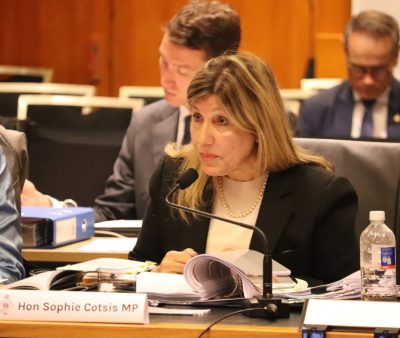
NSW Minister for Work Health and Safety Sophie Cotsis.
NSW uncertainty
NSW Minister for Industrial Relations, and Minister for Work Health and Safety Sophie Cotsis raised some uncertainty last week over whether the state would adopt the proposed changes in December.
NSW Shadow Minister for Agriculture Brendan Moylan asked Ms Cotsis on Thursday whether the state would adopt the changes to grain dust and phosphine exposure limits, given industry concerns.
Ms Cotsis said she committed to having an “urgent briefing” that afternoon from SafeWork NSW.
“NSW took a position to SafeWork Australia with respect to the necessity for more evidence and more information,” Ms Cotsis said.
“I understand that we are part of a harmonised process, but, from New South Wales’ point of view, we need to make sure we have all the evidence with respect to New South Wales.”
Ms Cotsis said she had held round-tables with groups on the topic, most recently with the cement and aggregate industry.
“We engaged in a very constructive, proactive way.
“I was given a lot of evidence and information about this.
“Our regulator, SafeWork NSW, has also provided information to SafeWork Australia, and we recently wrote to SafeWork Australia with respect to our views, saying that we need more evidence, and we put that back on to SafeWork Australia.”
These statements appear to somewhat differ from the most recent comments from the NSW regulator which urged employers to prepare for the changes by December 1.
Grain Central: Get our free news straight to your inbox – Click here
HAVE YOUR SAY