
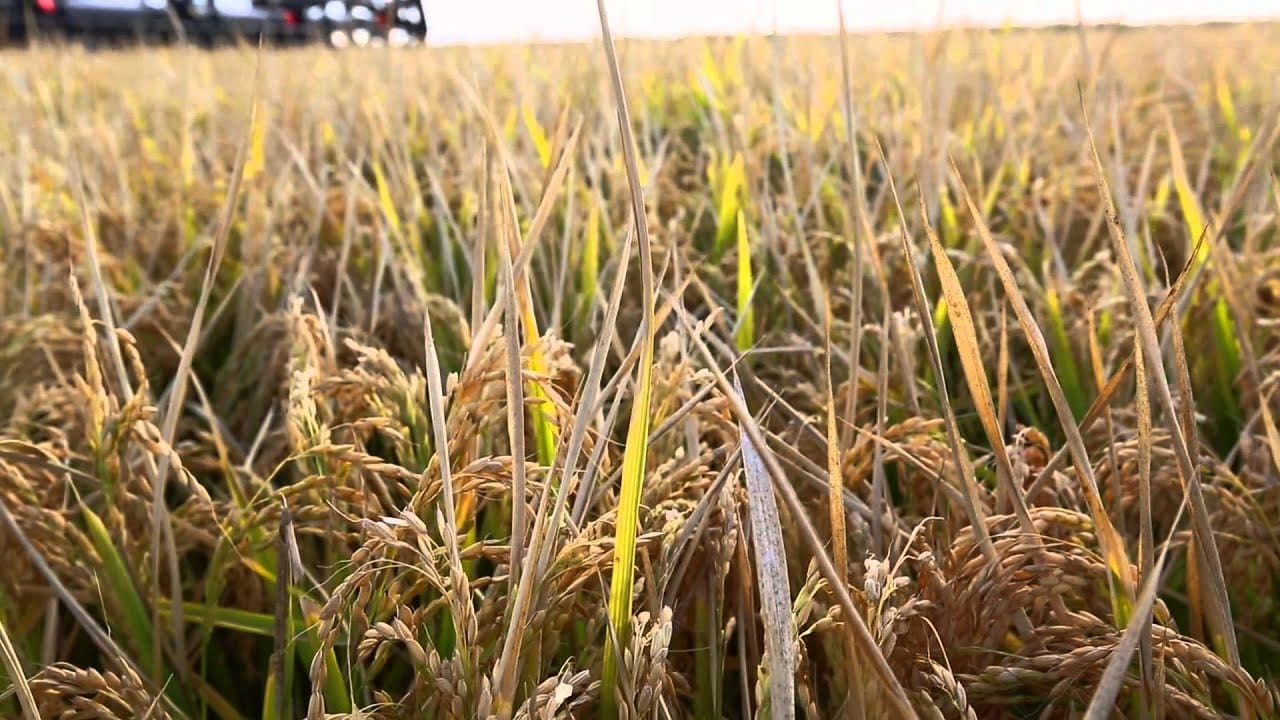
SUNRICE Group has announced changes for 92 employees across Deniliquin, Leeton and Australian Grain Storage (AGS) operations, with 78 staff to be made redundant, and only 14 able to be redeployed.
The news comes more than a month after consultation began with employees and unions over changes to milling operations at its two Riverina sites, including a reduction in shift structures.
SunRice has previously said changes were driven by a prolonged reduction in crop supplies.
The ABARES June Crop report has the rice harvested this year at 178,000 tonnes, the smallest since 2019-20, and 66 percent drop from 2025.
Industry has pointed to structural changes to water availability under the Murray-Darling Basin Plan, along with drier seasonal conditions, as key drivers of the smaller crop.
Ricegrowers Association of Australia (RGA) president Peter Herrmann said the scale-back is sad for the industry but not unexpected, given the Federal Government’s water buybacks.
“Our industry has survived for more than 75 years; it has endured severe droughts and devastating floods, but the cumulative impact of decades of water reform and ongoing buybacks is now being felt right across our communities,” Mr Herrmann said.
Mr Herrmann acknowledged the difficult situation SunRice was put in following smaller planted areas and lower production over consecutive years.
“We commend SunRice for doing everything possible to retain or redeploy staff, but the reality of falling production due to less water in the market, increased water prices, and more competition mean tough decisions had to be made to keep the rest of the business operational.
“The greatest impact is not being felt on farm; it is being felt by mill workers, transport operators, contractors, and local businesses who have no control over decisions that reduce the water available to support regional production.
“These are exactly the regional workers governments say they want to support, yet there is little assistance available when jobs are lost as a consequence of water policy decisions.
“The $300-million Sustainable Communities Fund was supposed to help Basin communities diversify their economies and create employment.
“Instead, too many worthwhile job-creating projects have failed to make it past the first stage, while funding continues to flow to cosmetic upgrades that do little to replace lost regional jobs.”
RGA executive director Graeme Kruger said the long-term decline in water available to productive agriculture had fundamentally changed the scale of the industry.
“Before significant water recovery, Australia’s rice industry regularly produced more than one million tonnes of rice from over 1000 farms.
“Since the end of the Millennium Drought, production has struggled to exceed 700,000t, even in wet years, and the number of rice-growing farms has fallen to around 500.”
Mr Kruger said this demonstrated the “real-world consequences of removing water from production” for a rice industry he said was the most water-efficient in the world and uniquely suited to Australia’s variable climate.
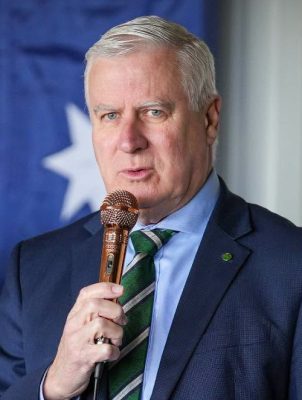
Michael McCormack.
“Every megalitre removed from production ultimately affects more than a farmer.
“It affects regional jobs, regional investment and the future of communities like Deniliquin and Leeton.”
Local response
Acting Mayor of Edward River Council, which includes the township of Deniliquin, Kellie Crossley said the announcement was “a significant loss for our community and a difficult outcome for many local families”.
“My thoughts, and the thoughts of Council, are with every employee and family affected by this announcement,” Ms Crossley said in a statement.
“For those impacted, this is more than the loss of a job.
“It brings uncertainty, financial pressure and concerns about the future.”
She also said the job cuts were a “direct consequence of Federal Government water reform policies, particularly water buybacks, which have reduced the volume of productive water available to irrigators”.
“For years, our community has participated in consultations, engaged directly with governments and spoken out about the risks these policies pose to regional industries and jobs.
“When productive water leaves our region, the consequences are felt across the entire supply chain, from farms and processors through to local businesses and employment opportunities.
“Communities like Deniliquin bear the cost of these decisions.”
Buybacks to blame
Federal Nationals Member for Riverina and Shadow Minister for Water Michael McCormack backed the views of the local community, commenting that the water buybacks were having a tangible impact on regional businesses and people.
“When you take water out of production, regional industry suffers,” Mr McCormack said.
“The growers, millers, transport workers and contractors also now face an uncertain future through no fault of their own.
“They didn’t make the decisions that cost them their jobs. The government did.
Mr McCormack said the pattern reflected years of water being progressively stripped out of the Murray-Darling Basin, with real consequences flowing through to mills, transport depots and towns.
“Enough is enough. Every additional buyback puts more jobs and more regional towns at risk.
“It’s time to immediately stop this policy before more families pay the price.”
Dalton takes aim at NSW Minister
Source: RGA, Nationals, Edward River Council, Helen Dalton MP
HAVE YOUR SAY