
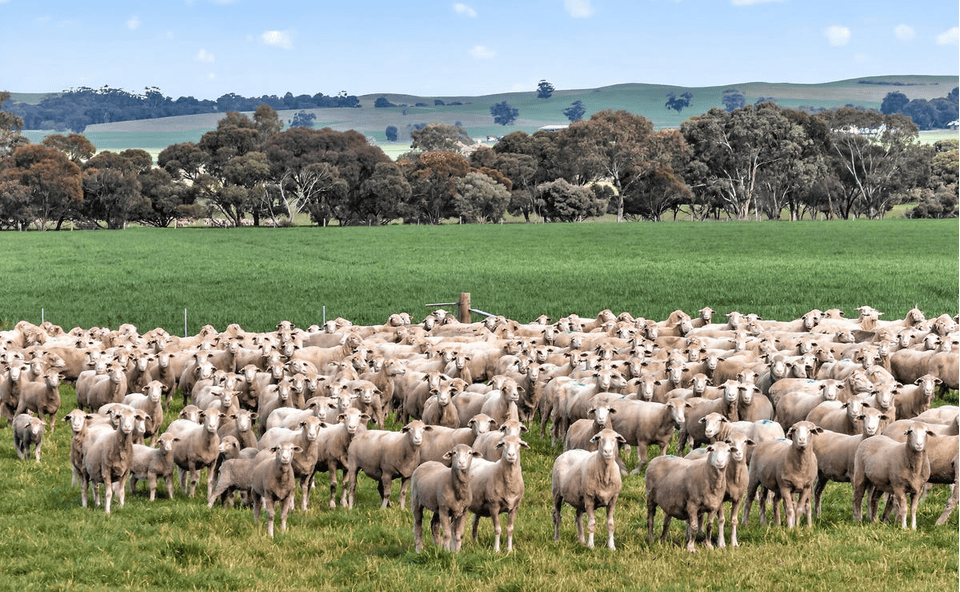
After more than 40 years with the one family, the 371ha Farrell Flat Block sold in September for $3.64 million, or $9805/ha, to exemplify strong demand for SA’s mixed-farming country. Photo: Ray White Rural
A NEW report has found generational change is bringing tightly held broadacre country to market, just as strong seasonal conditions and port proximity back South Australian farm margins.
Author Will Sumner, an executive on Colliers Agribusiness Transaction Services team, said South Australia’s rural property market is running hot.
“For local family operations looking to scale up and for interstate buyers chasing counter-cyclical entry points, a wave of generational succession sales combined with exceptional seasonal conditions presents a compelling window.”
Mr Sumner said the volume of property on the South Australian market is historic and intergenerational succession is a key reason why.
“A large cohort of farming families who aggregated land and built equity over the past 30 to 40 years is now reaching retirement.
“Many face the familiar problem of multi-child estates – either the next generation has built careers away from the farm, or the property cannot be split equitably between on-farm and off-farm siblings.”
After a decade in which land values effectively doubled, Mr Sumner noted retiring owners recognise they can sell at historically strong, consolidated valuations.
“The result is a flow of blue-ribbon, tightly held holdings in the Mid North, Yorke Peninsula, Lower Eyre Peninsula and South East that have not changed hands in two or three generations.”
“For expanding family enterprises seeking ‘across-the-fence’ scale and family offices wanting unencumbered real assets, it is an exceptional supply of high-calibre country that is rarely offered on the open market.”
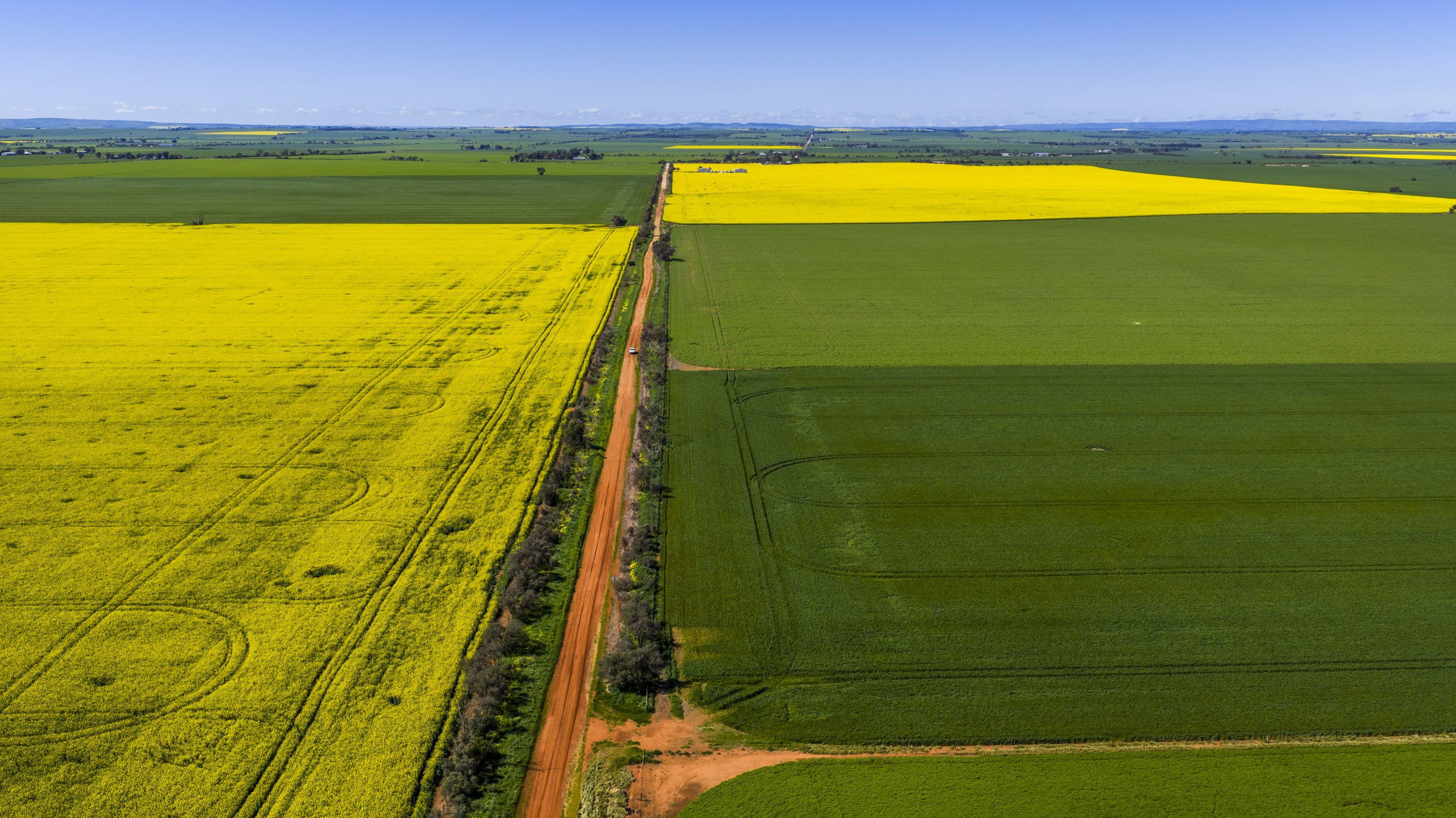
Adjoining arable blocks totalling 122ha at Pinkerton Plains are under offer following expressions of interest which closed October 1. Photo: Colliers
Mr Sumner said pulses and new genetics are lifting the state’s cropping base.
“South Australia has moved well beyond the traditional fallow and cereal rotation.
“The state is Australia’s pulse engine room, producing more than 37 percent of national lentil output and 40pc of faba beans.”
Mr Sumner said advances in crop genetics have made profitable pulse production possible on lighter sandy and acidic soils in regions such as the Upper Yorke Peninsula, Murray Mallee, and Mid North.
“Improved hybrid canola varieties have strengthened the crop’s role as a reliable break crop, backed by growing biofuel demand.
“Widespread adoption of early sown winter wheats and long season cereals has also improved yield reliability, allowing crops to establish deeper roots and flower earlier to dodge spring heat and frost,” said Mr Sumner.
Port proximity cushions fuel costs
Mr Sumner said higher diesel prices have turned freight into a critical determinant of farmgate profitability.
“With bulk haulage rates heavily affected by fuel surcharges and often accounting for 25-30pc of the gross grain price at port, the distance between paddock and export terminal is no longer a logistical detail; it is a direct drain on net margin.”
Mr Sumner explained this is where South Australia holds a structural advantage.
“More than 90pc of the state’s broadacre cropping country sits within 50km to 150km of a major deep-water export port, including Port Lincoln, Wallaroo, Port Giles, Port Adelaide, Thevenard and the T-Ports facility at Lucky Bay.”
Mr Sumner said keeping haulage short insulates producers from extreme fuel surcharges.
“Delivering to a local coastal port rather than carting grain hundreds of kilometres inland saves an estimated $20 to $40-plus a tonne.”
“On a 5000-tonne harvest, that keeps $100,000 to $200,000 inside the farm business instead of going to diesel excise and transport margins,” he explained.
Mr Sumner said short runs also speed up harvest.
“Local trucks can complete three to five turnaround deliveries a day, moving grain off-farm quickly, easing bottlenecks at the chaser bin, reducing the need for costly on-farm storage and helping growers capture prompt delivery premiums before the weather turns.”
Mixed farming adds resilience
Mr Sumner said South Australia’s farming systems are globally recognised for efficient mixed farming, with the state running around 16pc of the national sheep flock.
“Rebounding lamb and mutton values, prime Merino wool genetics and winter-crop stubble grazing provide a built-in shock absorber.”
“Stubble grazing and dual-purpose winter crops cut supplementary feed bills while cycling organic nitrogen, so when grain markets come under cyclical pressure, livestock revenue helps underpin farmgate cash flow.”
HAVE YOUR SAY